
When it comes to daily cooking, choosing the right kitchen tools is just as important as selecting fresh ingredients. One common question many home cooks ask is: Is using a plastic spatula safe for high-heat cooking? The answer depends on the material, heat level, and cooking method. In this blog, we’ll explore everything you need to know about a spatula, including silicone spatula, wooden spatula, lab spatula, and steel spatula options — so you can cook safely and confidently.
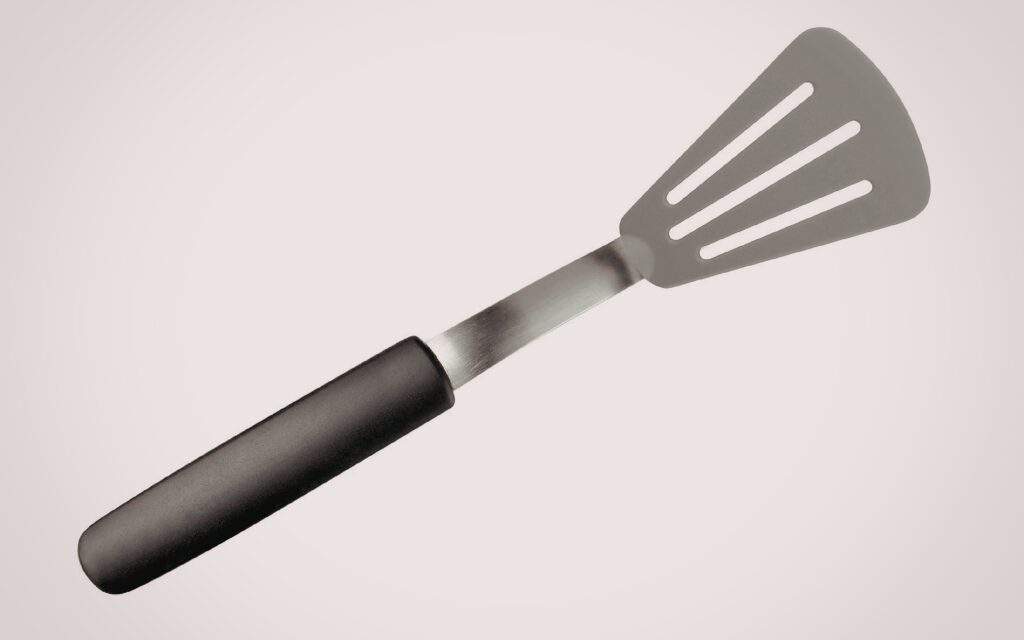
Understanding Different Types of Spatula
Before discussing safety, it’s important to understand the different types of spatula available in the market.
A spatula is a versatile kitchen tool used for flipping, stirring, scraping, and mixing. However, not all spatulas are designed for high temperatures. Some are perfect for baking, while others are better suited for frying or sautéing.
Let’s look at the most common types:
- Plastic Spatula
- Silicone Spatula
- Wooden Spatula
- Steel Spatula
- Lab Spatula
Each has its own strengths and limitations.
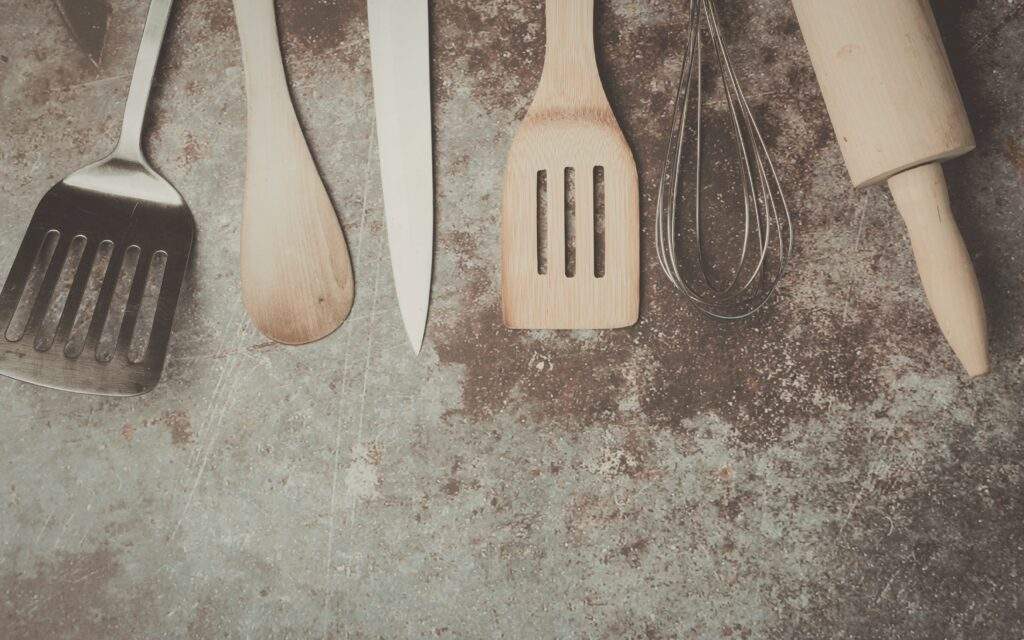
Is Plastic Spatula Safe for High Heat?
Basic plastic spatulas are usually made from low-cost plastic materials. These may start melting at temperatures between 120°C to 160°C. High-heat cooking like deep frying, stir-frying, or searing can easily exceed these temperatures.
When a plastic spatula melts, it can:
- Release harmful chemicals
- Change food taste
- Damage your cookware
- Break or deform easily
So, regular plastic spatulas are not ideal for high-heat cooking. They are better suited for light mixing, serving, or working with cold foods.
If you often cook at high temperatures, you should consider safer alternatives.
Why Silicone Spatula is a Better Option
A silicone spatula is much more heat-resistant compared to regular plastic. High-quality silicone spatulas can withstand temperatures up to 230°C to 300°C, depending on the brand.
Benefits of silicone spatula:
- Heat-resistant
- Non-stick friendly
- Flexible and durable
- Easy to clean
- Odor-resistant
They are perfect for:
- Scraping batter
- Stirring sauces
- Cooking in non-stick pans
- High-heat sautéing (within safe limits)
If you are looking for a safe alternative to plastic, silicone spatula is one of the best choices for modern kitchens.
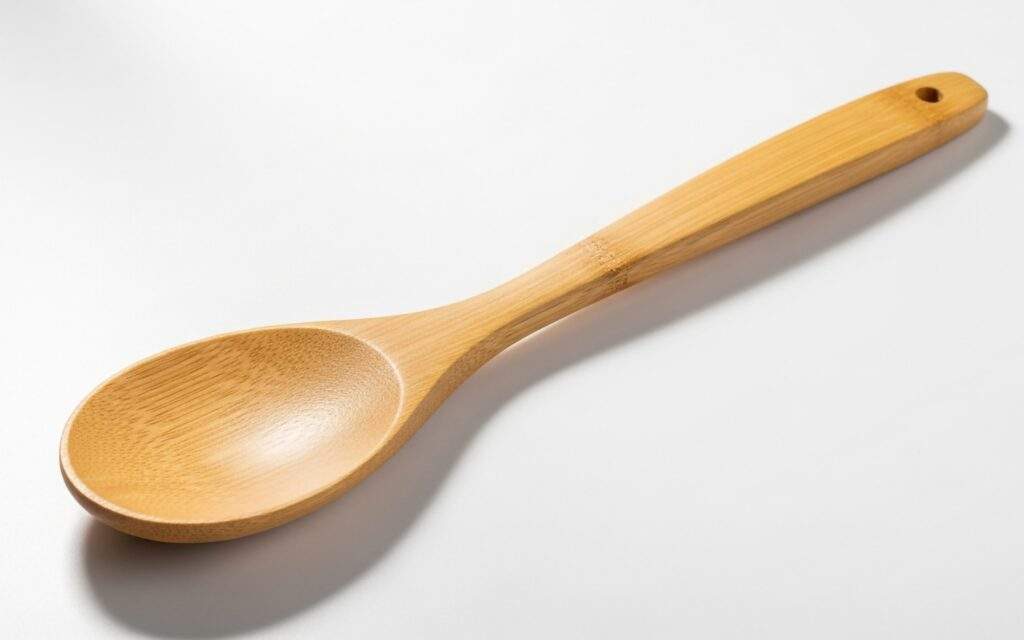
Wooden Spatula: Traditional and Safe
A wooden spatula is one of the oldest kitchen tools used in Indian households. It is naturally heat-resistant and does not melt.
Advantages of wooden spatula:
- Does not react with food
- Safe for high heat
- Gentle on cookware
- Eco-friendly option
- Strong and long-lasting
Wood does not conduct heat like metal, so the handle stays cool while cooking. It is especially useful for:
- Stir-frying vegetables
- Cooking curries
- Mixing rice
- Deep frying
However, wooden spatulas need proper care. They should be washed properly and dried to prevent moisture damage.
Steel Spatula: Best for Extreme Heat
If you are cooking at very high temperatures — such as grilling, searing meat, or cooking on a tawa — a steel spatula is the most durable option.
Benefits of steel spatula:
- Extremely heat-resistant
- Strong and sturdy
- Ideal for flipping rotis, dosas, and cutlets
- Long-lasting
However, steel spatulas should not be used on non-stick cookware because they can scratch the coating. They are best used with cast iron, stainless steel, or iron tawa.
What About Lab Spatula?
A lab spatula is generally used in laboratories for transferring chemicals or powders. It is not designed for cooking purposes.
While lab spatulas are usually made of stainless steel or plastic, they are manufactured for scientific use. It is not recommended to use a lab spatula in the kitchen unless it is specifically designed as food-grade material.
Always choose kitchen-grade tools for food preparation.
Risks of Using Low-Quality Plastic Spatula
Using a low-quality plastic spatula during high-heat cooking can cause:
- Chemical Leaching – Harmful substances may mix with food.
- Melting Edges – Plastic may soften and mix into food.
- Unpleasant Smell – Heated plastic can produce odor.
- Reduced Durability – It may crack or bend easily.
For health and safety reasons, it is better to avoid using standard plastic spatulas for frying or cooking at high flame.
How to Choose the Right Spatula for High Heat
If you frequently cook at high temperatures, here are some tips:
✔ Check heat-resistance rating
✔ Choose food-grade materials
✔ Avoid very cheap plastic
✔ Select silicone, wooden, or steel spatula
✔ Match spatula type with cookware
For example:
- Use silicone spatula for non-stick pans
- Use wooden spatula for daily Indian cooking
- Use steel spatula for iron tawa and grills
Choosing the right spatula improves safety and cooking efficiency.
Comparing Spatula Types for High Heat
| Spatula Type | Heat Resistance | Safe for Non-Stick | Best For |
|---|---|---|---|
| Plastic Spatula | Low | Yes | Light mixing |
| Silicone Spatula | High | Yes | Baking & sautéing |
| Wooden Spatula | High | Yes | Stir-frying |
| Steel Spatula | Very High | No | Grilling & tawa |
| Lab Spatula | Not for cooking | No | Laboratory use |
This comparison clearly shows that regular plastic spatula is not ideal for high-heat cooking.
Final Verdict: Should You Use Plastic Spatula for High Heat?
The simple answer is — No, regular plastic spatula is not safe for high-heat cooking.
If you are cooking at high temperatures daily, switch to:
- Silicone spatula for flexibility and safety
- Wooden spatula for traditional cooking
- Steel spatula for extreme heat
Investing in the right spatula not only protects your health but also improves your cooking experience.
Conclusion
A spatula may seem like a small kitchen tool, but it plays a big role in cooking safety. While plastic spatulas are affordable and lightweight, they are not suitable for high-heat cooking. Silicone spatula, wooden spatula, and steel spatula are much safer and more durable alternatives.
Always choose high-quality, food-grade materials for your kitchen. Your health and cookware will thank you.
Cooking smart starts with choosing the right tools — and the right spatula makes all the difference.