
When setting up a functional kitchen, choosing the right cookware is just as important as selecting good ingredients. Two of the most commonly used cooking vessels are the pressure cooker and the saucepan. While both are essential, they serve very different purposes and suit different cooking styles. Understanding the difference between a pressure cooker and a saucepan will help you cook more efficiently, save time, and achieve better results. This guide explains their features, uses, safety aspects, and which one is right for your needs—using an EEAT (Experience, Expertise, Authoritativeness, and Trustworthiness) approach.
What Is a Pressure Cooker?
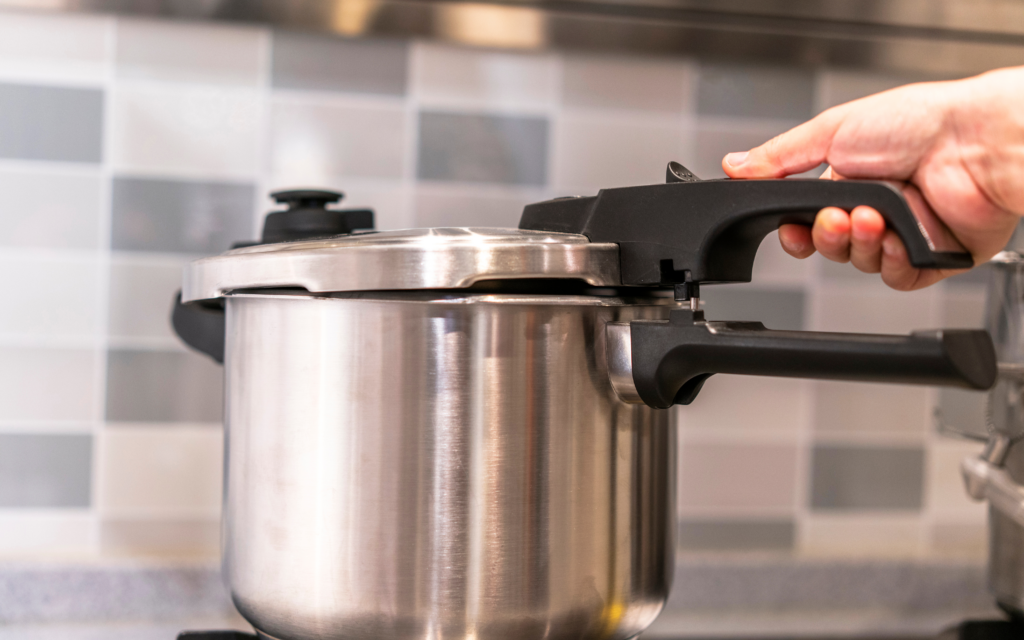
A pressure cooker (also known as a pressure pot) is a sealed cooking vessel designed to cook food quickly by using high steam pressure. When heat is applied, water inside the cooker turns into steam and builds up pressure. This increases the boiling point of water, allowing food to cook faster at higher temperatures.
The concept of pressure cooker pressure is what makes it unique. Because steam cannot escape easily, pressure builds inside the cooker, forcing moisture into food. This results in faster cooking times and softer textures—especially for grains, legumes, and tough cuts of meat.
Common uses of a pressure cooker include:
- Cooking lentils, beans, and chickpeas
- Preparing rice and biryani
- Tenderizing meat
- Making soups, stews, and broths
What Is a Saucepan?
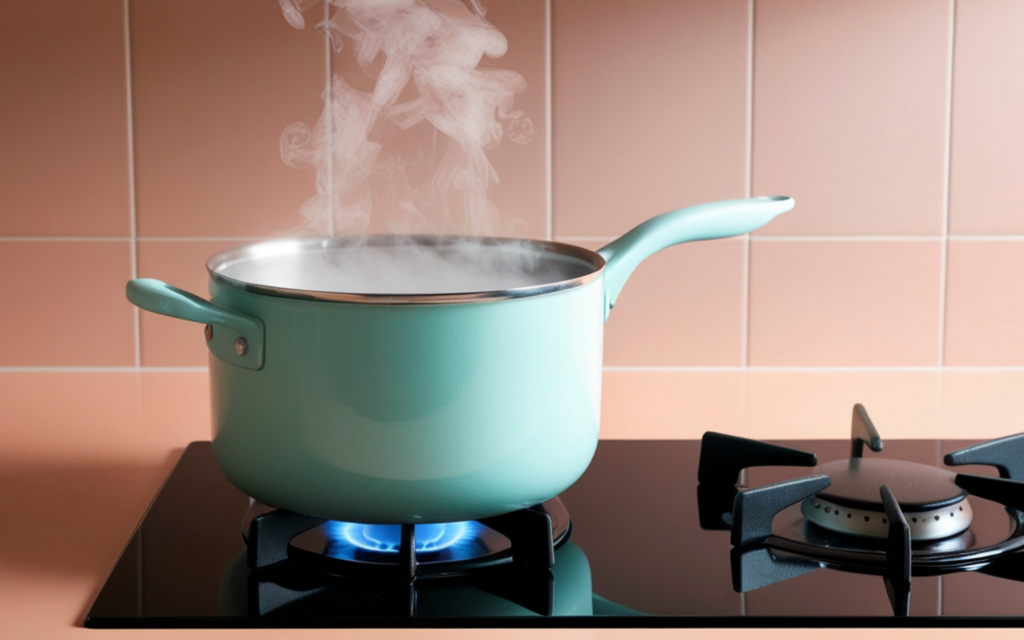
A saucepan is an open cooking vessel with straight sides, a flat bottom, and usually a long handle. It often comes with a lid, but it does not seal tightly like a pressure cooker. Cooking in a saucepan happens at normal atmospheric pressure.
The saucepan is one of the most versatile cookware items in any kitchen. It allows better visibility and control over the cooking process, making it ideal for slow cooking, simmering, and reducing liquids.
Common uses of a saucepan include:
- Making sauces and gravies
- Boiling milk or water
- Cooking pasta and noodles
- Reheating food
- Preparing soups with frequent stirring
Key Differences Between a Pressure Cooker and a Saucepan
1. Cooking Method and Pressure
The most important difference lies in the use of pressure. A pressure cooker works by trapping steam and increasing internal pressure. This high pressure cooker pressure speeds up cooking significantly. In contrast, a saucepan cooks food at normal pressure, which takes more time but allows gradual heat control.
2. Cooking Time
A pressure cooker is ideal when time is limited. Foods that take 45–60 minutes in a saucepan may cook in 10–20 minutes in a cooker. A saucepan, however, is better for recipes that require slow simmering or careful monitoring.
3. Control and Visibility
A saucepan offers more control because you can see, stir, taste, and adjust the dish while it cooks. A pressure cooker remains sealed during cooking, so you cannot check the food until the pressure is released.
4. Texture and Flavor
Pressure cooking locks in moisture, which is excellent for softening food quickly. However, some delicate dishes may lose texture. A saucepan allows flavors to develop gradually, making it better for sauces and reductions.
5. Safety and Ease of Use
Modern pressure cookers are designed with advanced safety features such as pressure valves and locking lids. Still, they require correct usage. A saucepan is simpler and generally safer for beginners, as it does not involve pressure buildup.
Energy Efficiency
From an energy-saving perspective, a pressure cooker is more efficient. Shorter cooking times mean less gas or electricity consumption. A saucepan uses lower heat but for a longer duration, which can consume more energy over time.
Cleaning and Maintenance
A saucepan is easier to clean due to its simple design. Pressure cookers have multiple parts—such as rubber gaskets and valves—that require regular checking and maintenance to ensure safety and performance.
Which One Should You Choose?
The choice between a pressure cooker and a saucepan depends on your cooking habits:
- Choose a pressure cooker if you:
- Cook legumes, rice, or tough meats frequently
- Want to save time and energy
- Prefer one-pot meals
- Choose a saucepan if you:
- Enjoy slow cooking and precise control
- Make sauces, gravies, and milk-based dishes often
- Are a beginner looking for easy cookware
In most households, both are essential. A cooker for fast, everyday meals and a saucepan for controlled, detailed cooking complement each other perfectly.
Expert Tip: Using Both Together
Experienced home cooks often use both tools in the same recipe. For example, beans may be cooked in a pressure pot first and then transferred to a saucepan to add spices and simmer for flavor. This combination maximizes efficiency and taste.
Final Thoughts
The difference between a pressure cooker and a saucepan goes beyond appearance. A pressure cooker relies on pressure cooker pressure to cook food quickly and efficiently, while a saucepan offers flexibility, visibility, and control. Both serve unique purposes and play important roles in a well-equipped kitchen.
From an EEAT perspective, understanding how and when to use each tool comes from real cooking experience and trusted culinary practices. Investing in both ensures you are prepared for quick weekday meals as well as slow, flavorful cooking sessions. The right cookware not only improves your cooking results but also makes your time in the kitchen more enjoyable and stress-free.