
A well-equipped kitchen doesn’t require dozens of tools, but it does need the right ones. Among all kitchen essentials, kitchen knives and spoons play the most important role in daily cooking. Whether you are a beginner, a home cook, or someone upgrading their kitchen setup, understanding which knives and spoons are truly essential will help you cook faster, safer, and more efficiently.
In this guide, we’ll break down the most important cooking knives, their uses, and why investing in quality tools matters—using the principles of E-E-A-T (Experience, Expertise, Authoritativeness, and Trustworthiness).
Why Choosing the Right Kitchen Knives Matters
From chopping vegetables to slicing meat, the right knife can make cooking easier and more enjoyable. Poor-quality knives not only slow you down but also increase the risk of accidents. Experienced chefs and home cooks agree that a small collection of high-quality knives is far more effective than a drawer full of dull ones.
When chosen correctly, kitchen knives improve precision, reduce effort, and last for years with proper care.
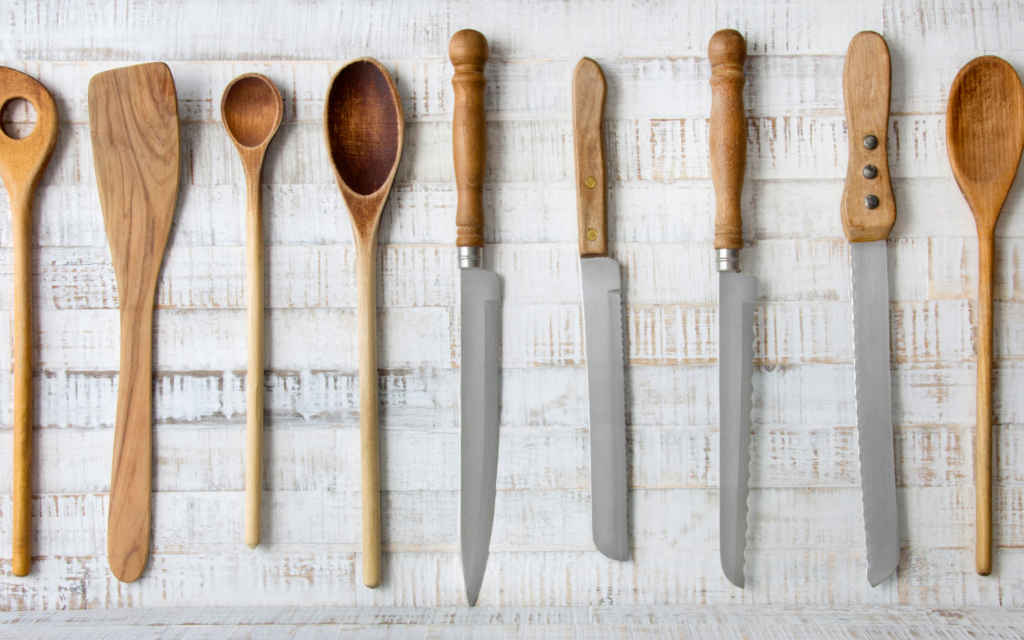
Essential Types of Kitchen Knives
1. Chef Knife – The Most Important Knife in the Kitchen
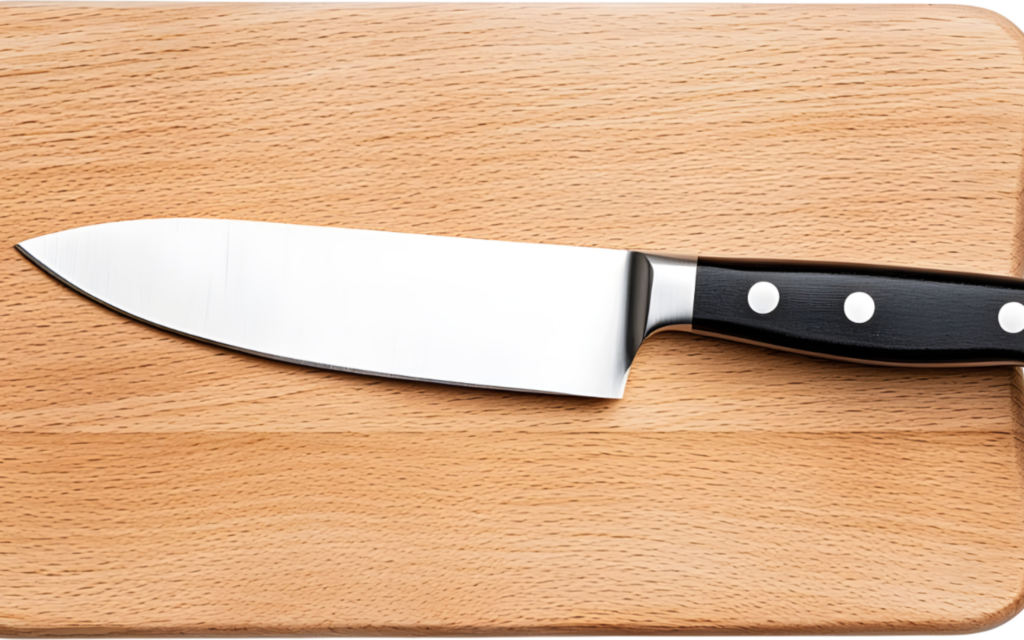
A chef knife is the backbone of any kitchen. Typically 8 inches long, it is designed for versatility and balance.
Best uses:
- Chopping vegetables
- Slicing fruits
- Cutting meat and fish
- Crushing garlic
A high-quality Kitchen Knives allows smooth rocking motions, making it ideal for everyday cooking. Most professional chefs rely on this single knife for nearly 70% of their tasks, proving its importance.
2. Chopping Knife – For Heavy-Duty Tasks
A chopping knife is slightly heavier and broader than a standard chef knife. It is ideal for tasks that require strength and stability.
Best uses:
- Chopping hard vegetables like pumpkin or squash
- Cutting large pieces of meat
- Splitting herbs and greens
Home cooks who regularly prepare Indian or Asian meals often find a chopping knife extremely useful due to its ability to handle firm ingredients with ease.
3. Utility Knife – The Everyday Helper
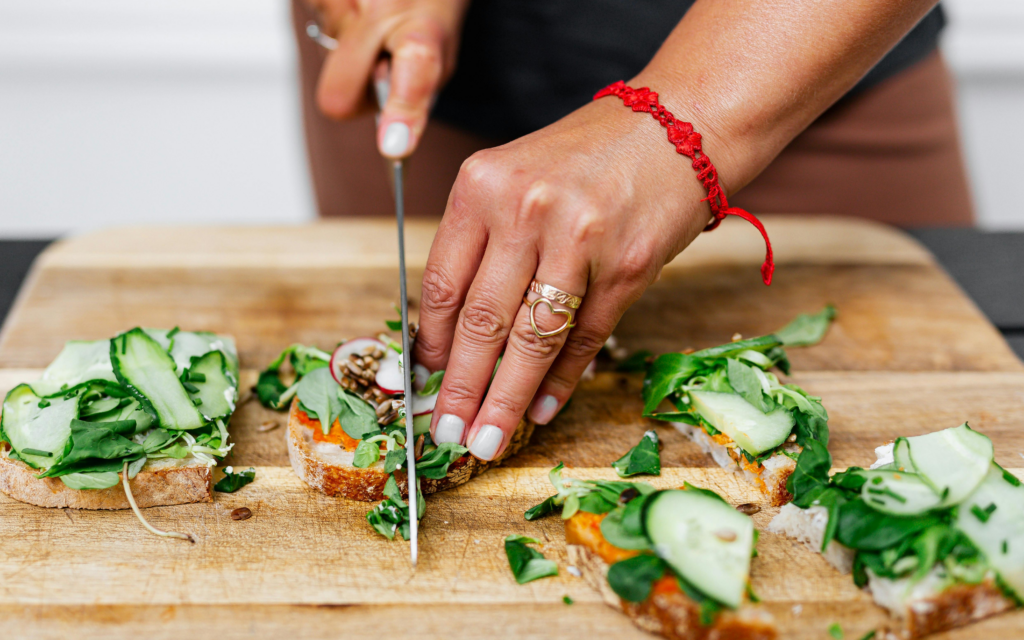
Smaller than a chef knife, a utility knife fills the gap between large knives and peelers.
Best uses:
- Slicing sandwiches
- Cutting fruits
- Trimming vegetables
While not always highlighted, this Kitchen Knives is one of the most practical cooking knives for daily use, especially in smaller kitchens.
4. Paring Knife – For Precision Work
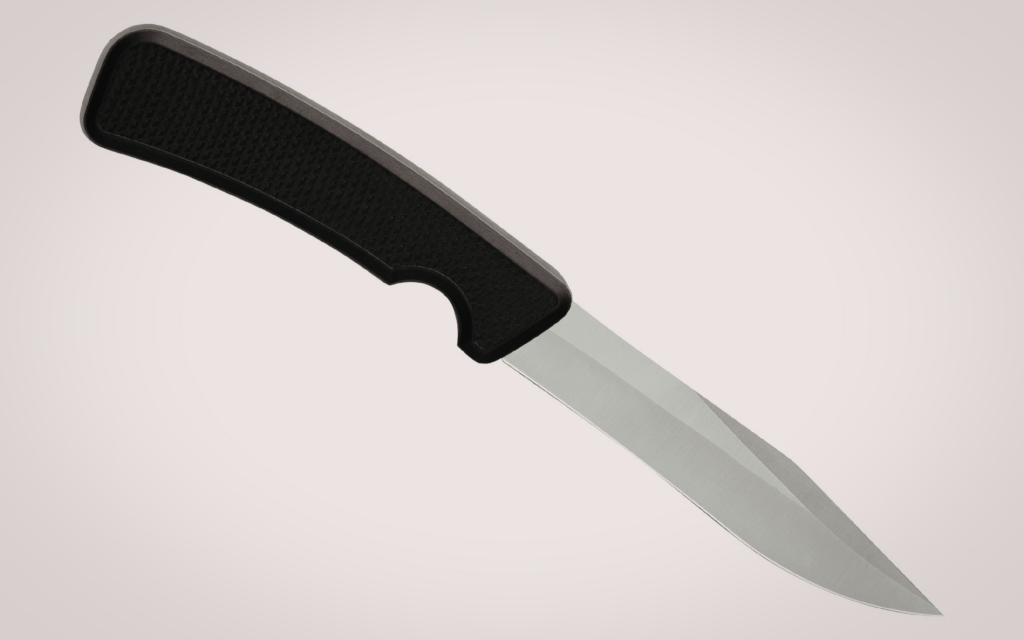
A paring knife is compact and sharp, designed for tasks that require control.
Best uses:
- Peeling fruits and vegetables
- Removing seeds
- Decorative cutting
Though small, this Kitchen Knives adds precision and finesse to your kitchen setup.
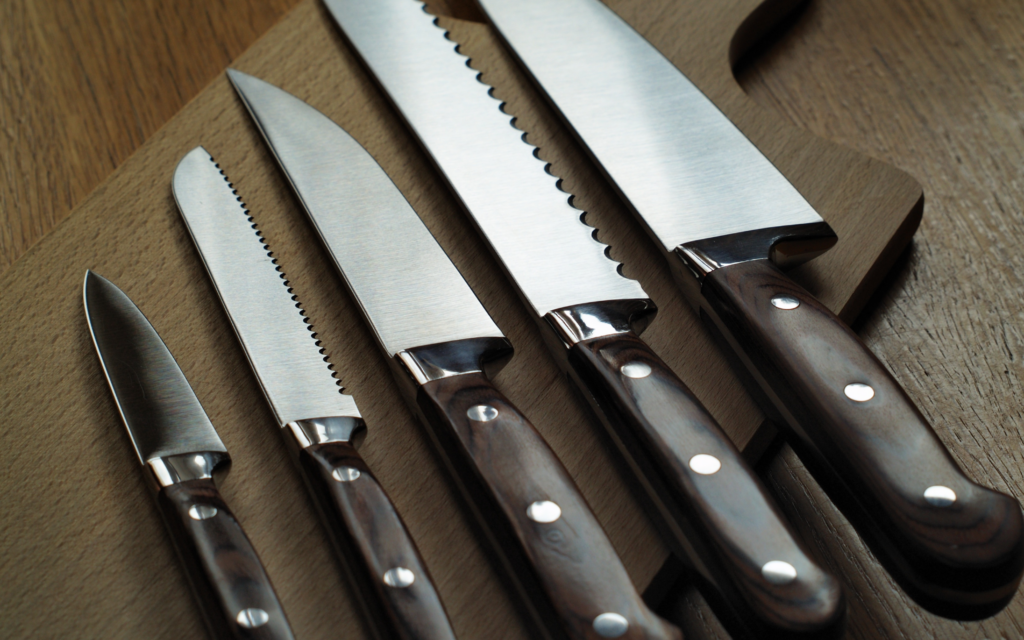
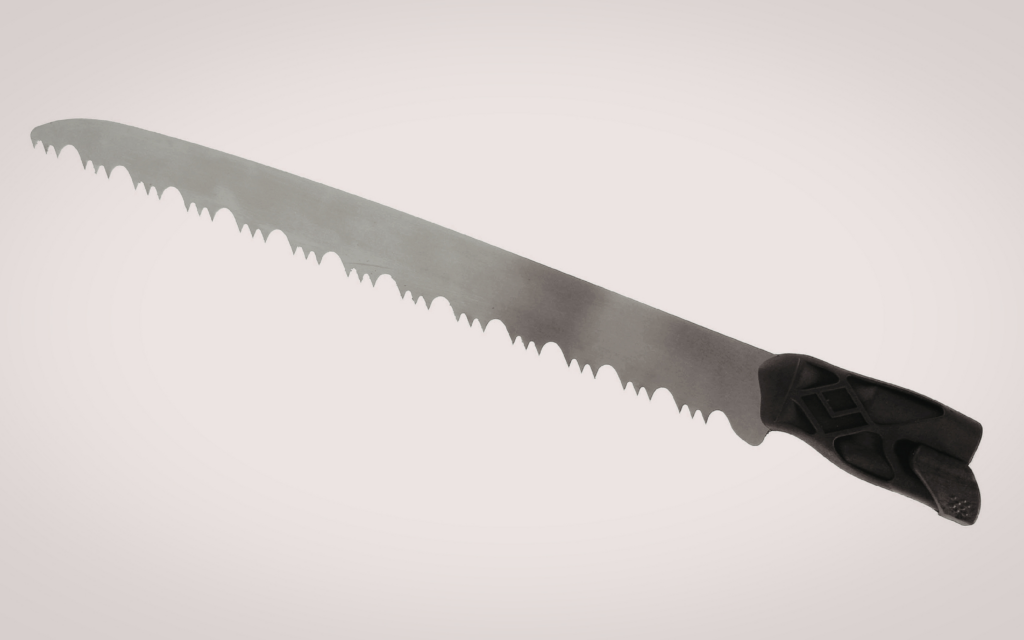
5. Bread Knife – Clean Cuts Without Crushing
A bread knife features a serrated edge that cuts through crusty bread without flattening it.
Best uses:
- Bread and buns
- Cakes
- Soft fruits like tomatoes
This knife complements your chef knife and ensures neat slices every time.
Essential Cooking Knives: A Minimal Yet Effective Set
If you want a simple but efficient knife collection, experts recommend:
- 1 chef knife
- 1 chopping knife
- 1 utility knife
- 1 paring knife
This combination covers nearly all cooking tasks without overcrowding your kitchen.
Essential Spoons Every Kitchen Needs
While knives handle preparation, spoons play a key role during cooking and serving.
1. Cooking Spoons (Wooden or Silicone)
Cooking spoons are essential for stirring, mixing, and sautéing.
Why they matter:
- Do not scratch cookware
- Heat-resistant
- Comfortable for long cooking sessions
Experienced cooks prefer wooden or silicone spoons for their durability and safety.
2. Serving Spoons
Serving spoons are larger and designed to handle rice, curries, and vegetables.
They ensure portion control and make serving neat and professional, especially during family meals or gatherings.
3. Slotted Spoons
A slotted spoon allows liquids to drain while serving solid food.
Best uses:
- Frying snacks
- Serving boiled vegetables
- Removing food from oil or water
This spoon is especially useful in Indian kitchens where deep frying is common.
4. Measuring Spoons
Accurate measurements are crucial for consistent taste. Measuring spoons help maintain balance in spices and ingredients.
They are essential for baking and precision cooking.
How to Choose Quality Kitchen Knives and Spoons
Look for Trusted Materials
- Stainless steel blades for knives
- Ergonomic, non-slip handles
- Heat-resistant spoon materials
Prioritize Comfort and Balance
A kitchen chef knife should feel balanced in your hand, not too heavy or too light.
Trust Expert Recommendations
Professional chefs, culinary experts, and long-term user reviews offer valuable insights into durability and performance.
Maintenance Tips for Long-Lasting Tools
- Sharpen knives regularly
- Hand-wash knives and wooden spoons
- Store knives on a rack or magnetic strip
Proper care extends the life of your kitchen knives and ensures safe cooking.
Final Thoughts
You don’t need a large collection to cook well—just the right tools. A sharp chef knife, a reliable chopping knife, and a few well-chosen cooking knives, paired with essential spoons, can transform your cooking experience.
By investing in quality, trusted tools and maintaining them properly, you build a kitchen that supports efficiency, safety, and joy in cooking. Whether you’re setting up a new kitchen or upgrading your essentials, these knives and spoons are the foundation of every successful home kitchen.