
Choosing the right container for food storage is more important than many people realize. In Indian households, where cooking is often done in large batches and leftovers are common, selecting a safe and durable box for storage directly impacts health, hygiene, and food freshness. From storing dals and rice to packing lunch for school or office, the material of your storage container matters.
In this blog, we will explore the safest options for food storage in Indian homes, focusing on glass containers, stainless steel, and ceramic containers, along with practical guidance to help you make the right choice.
Why Choosing the Right Container Matters
Indian kitchens deal with a variety of foods — oily curries, acidic gravies, fermented batters, dry snacks, and spices. Not all containers are suitable for every type of food. Some materials can react with acidic foods, while others may absorb odors or stains.
A safe container should:
- Be non-toxic and food-grade
- Not leach harmful chemicals
- Be durable and long-lasting
- Preserve taste and freshness
- Be easy to clean
Let’s look at the safest and most recommended options.
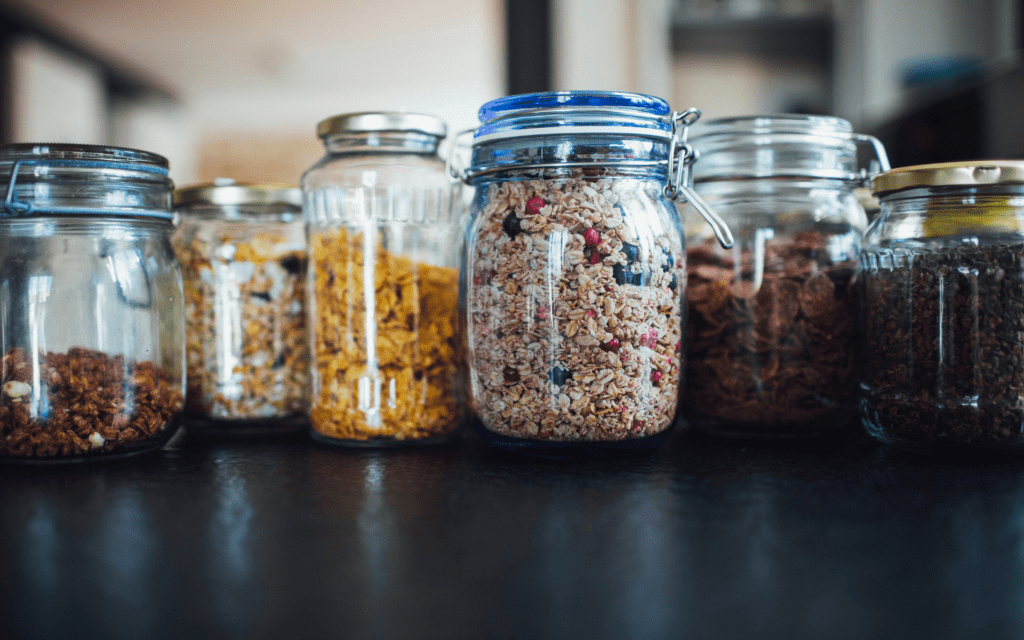
1. Glass Containers – Safe and Non-Reactive
Among all food storage options, glass containers are considered one of the safest choices for Indian households.
Why Glass Containers Are Safe
Glass is non-porous and non-reactive. This means it does not absorb food odors, stains, or flavors. Whether you are storing tomato curry, lemon pickle, or leftover sabzi, glass containers maintain the original taste of the food.
Benefits of Glass Containers
- 100% chemical-free when made from food-grade glass
- Microwave-safe (without metal lids)
- Easy to clean
- Do not retain smell or color
- Ideal for storing acidic and oily foods
For Indian kitchens, glass containers are perfect for storing gravies, chutneys, homemade sauces, and leftovers.
Things to Consider
- Slightly heavier than other materials
- Can break if dropped
Despite this, they are a highly recommended container choice for health-conscious families.
2. Stainless Steel – Traditional and Reliable
Stainless steel has been a staple in Indian households for generations. From dabbas to lunch boxes, it remains one of the safest and most durable food storage materials.
Why Stainless Steel Is Safe
High-quality stainless steel is non-reactive and does not leach harmful substances into food. It is particularly suitable for Indian cooking styles that involve oil, spices, and heat.
Benefits of Stainless Steel Containers
- Extremely durable and long-lasting
- Rust-resistant
- Lightweight compared to glass
- Does not break
- Safe for storing dry and cooked food
Stainless steel containers are ideal for storing rice, roti, sabzi, and even snacks like namkeen. Many Indian homes use a steel box for daily lunch packing because it is practical and safe.
Things to Consider
- Not microwave-safe
- Lower-quality steel may react with very acidic foods
Always choose food-grade stainless steel for maximum safety.
3. Ceramic Containers – Stylish and Safe (With Care)
Ceramic containers are becoming popular in modern Indian kitchens for their aesthetic appeal and functionality.
Why Ceramic Containers Are Safe
High-quality, lead-free ceramic containers are safe and non-toxic. They are non-reactive and maintain food freshness.
Benefits of Ceramic Containers
- Attractive and stylish
- Suitable for storing pickles and dry food
- Non-reactive surface
- Good for serving and storage
Ceramic containers work well for storing spices, dry fruits, and even homemade pickles.
Things to Consider
- Must be lead-free and food-grade
- Can chip or crack
- Usually heavier
Always ensure the ceramic container is certified food-safe before purchasing.
What About Plastic Containers?
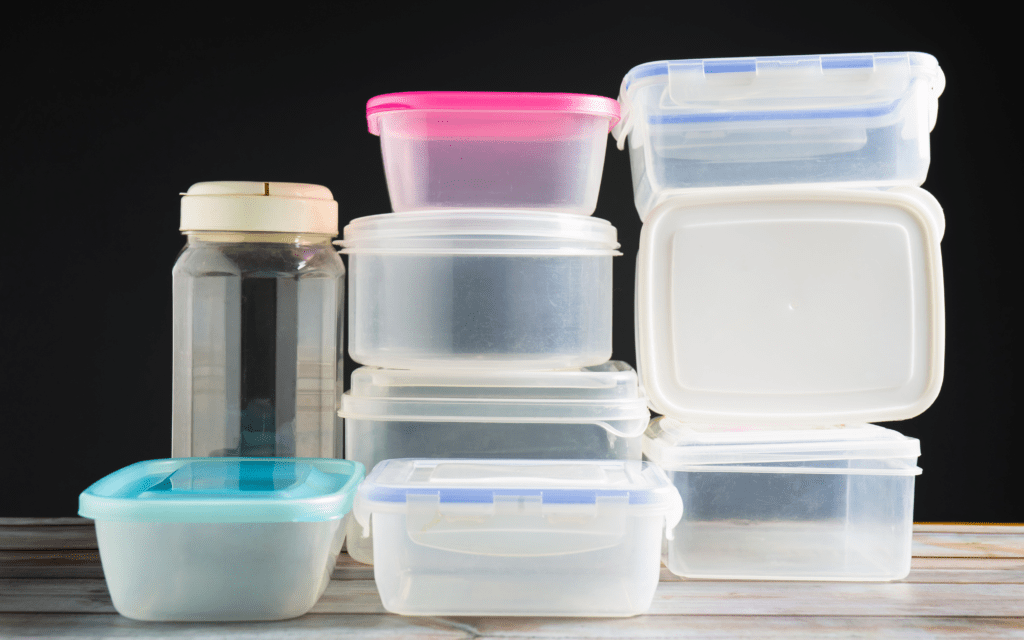
While plastic containers are common, they are not always the safest choice. Many plastic box options may contain harmful chemicals if not food-grade. In Indian households where hot food is often stored directly after cooking, plastic may release chemicals when exposed to heat.
If using plastic:
- Ensure it is BPA-free
- Avoid storing hot food
- Do not microwave unless specified safe
For long-term health, glass containers and stainless steel are safer alternatives.
Which Container Is Best for Different Indian Foods?
Here’s a simple guide:
- Curries & Gravies → Glass containers
- Rice & Roti → Stainless steel
- Pickles → Glass or ceramic containers
- Dry Snacks & Pulses → Stainless steel or glass
- Spices → Ceramic containers or stainless steel
Using the right container ensures longer shelf life and better hygiene.
Safety Tips for Food Storage in Indian Homes
- Always cool food slightly before storing in any container.
- Avoid mixing different foods in one box.
- Clean containers thoroughly before reuse.
- Check for cracks or rust regularly.
- Replace damaged containers immediately.
Proper maintenance increases the lifespan of your storage box and ensures food safety.
Final Verdict: Safest Container for Indian Households
If we compare all options:
- Glass containers are safest for overall food storage due to their non-reactive and chemical-free nature.
- Stainless steel is the most durable and traditional safe option.
- Ceramic containers are safe if they are lead-free and high quality.
For a balanced kitchen setup, Indian households should ideally use a mix of glass containers, stainless steel dabbas, and ceramic containers depending on storage needs.
Conclusion
In Indian households, where food is prepared with spices, oil, and variety, selecting the right container is essential. A good container not only keeps food fresh but also protects your family’s health.
While a simple plastic box may seem convenient, investing in glass containers, stainless steel, or certified ceramic containers is a safer and smarter choice in the long run.
Your kitchen deserves storage solutions that are safe, durable, and hygienic. Choose wisely, and your food will stay fresh, flavorful, and safe every day.